Implementation of Educational Training Activities within the Erasmus+ SBEES Project
05.05.2026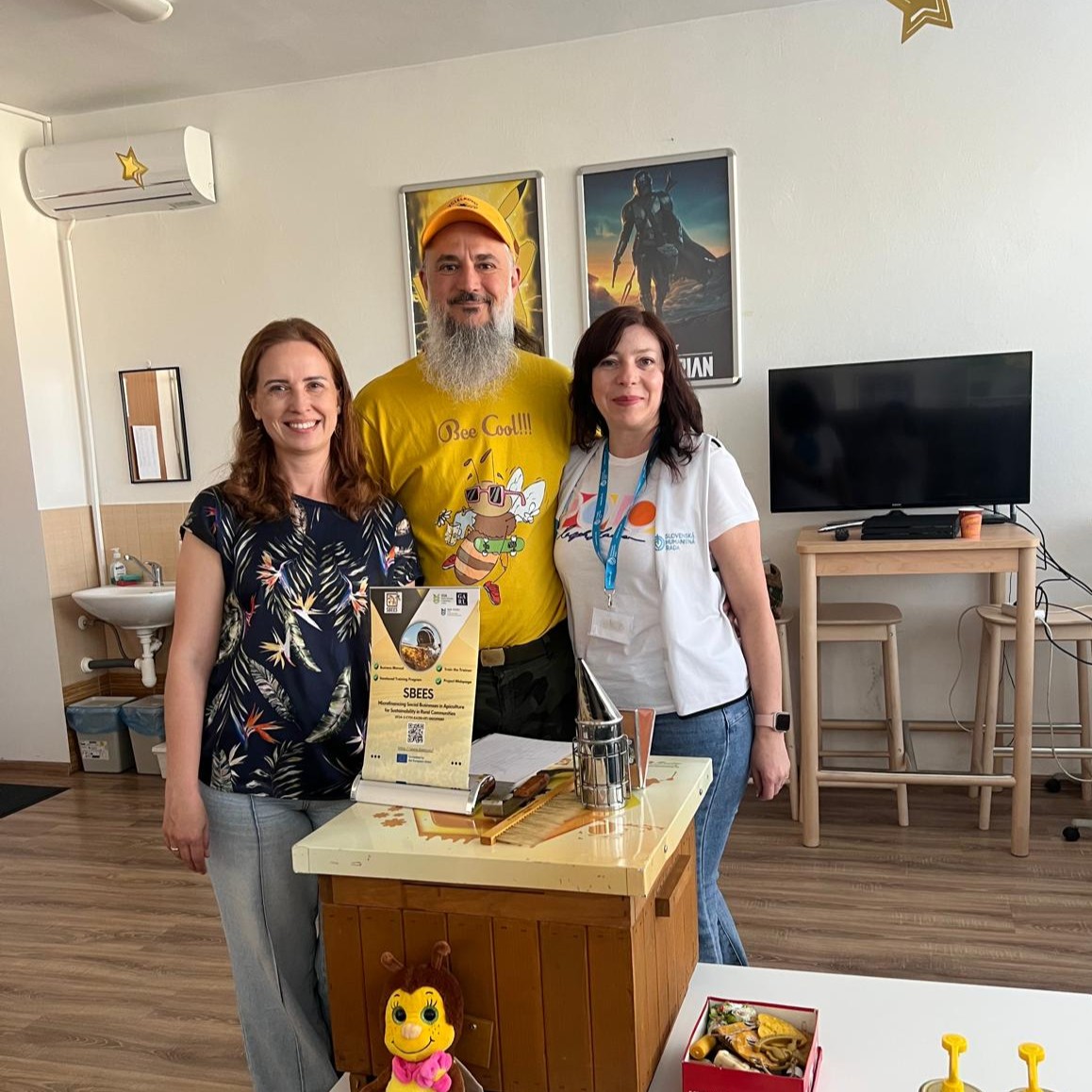
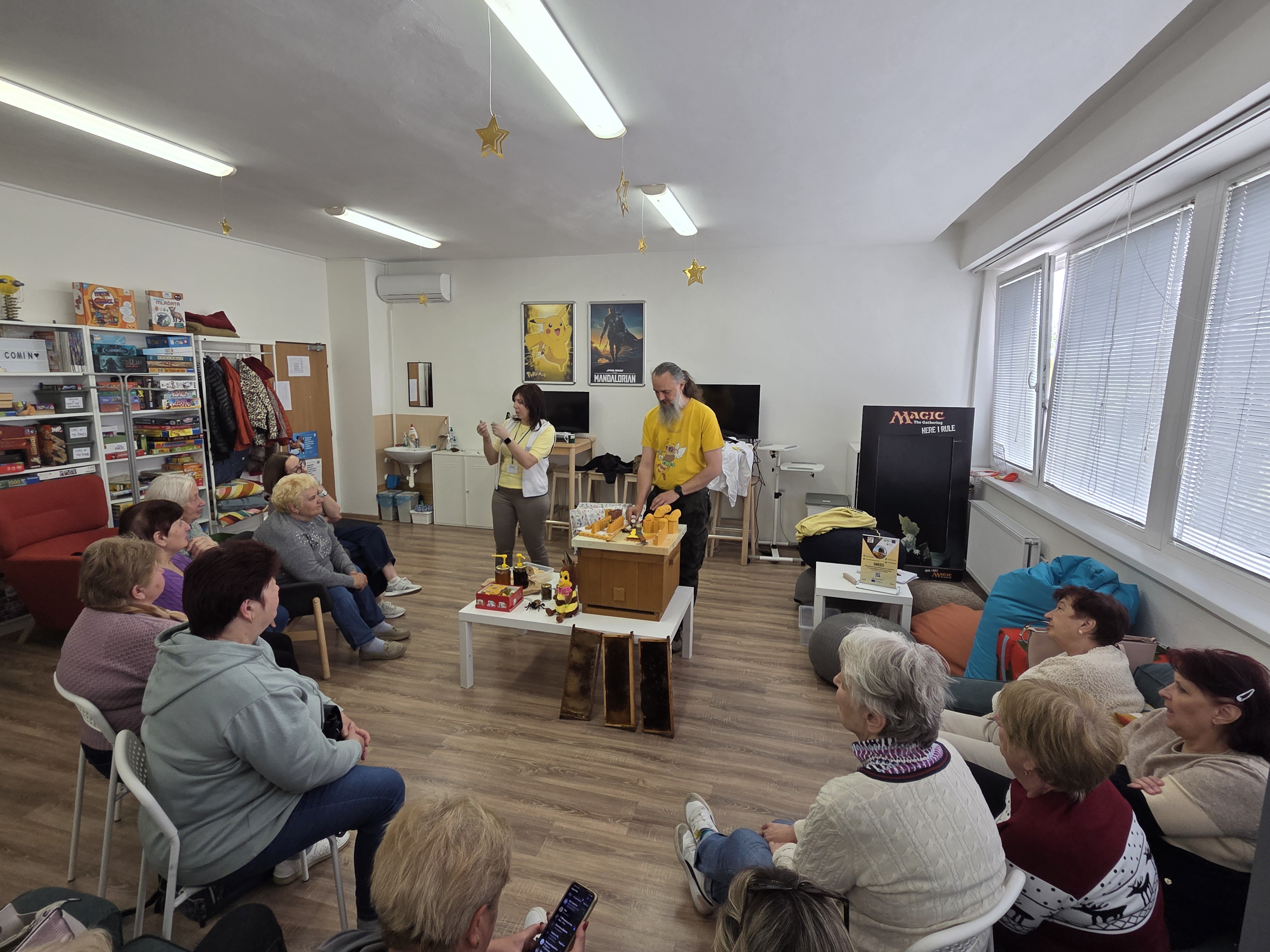
The Faculty of European Studies and Regional Development carried out two educational training activities in the second half of April 2026 within the international Erasmus+ project SBEES – Microfinancing Social Businesses in Agriculture for Sustainability in Rural Communities. The training sessions started from 21 April and continued from 28 April. They were aimed at supporting disadvantaged target groups, especially seniors and members of the Ukrainian community living in Slovakia. A total of 31 participants took part in the activities.
The project at the Faculty is coordinated by Ing. Zuzana Bohátová, PhD. from the Centre of International Programmes. A wider team of experts and academic staff participated in the preparation and implementation of the training activities, providing participants with theoretical and practical knowledge from several fields.
The educational content was based on the project programme focused on social entrepreneurship, innovation, sustainable rural development, and apiculture as a promising area of small-scale business and community activities. Participants received information about opportunities for developing small social enterprises, the importance of agriculture for the regional economy, as well as environmental aspects of entrepreneurship.
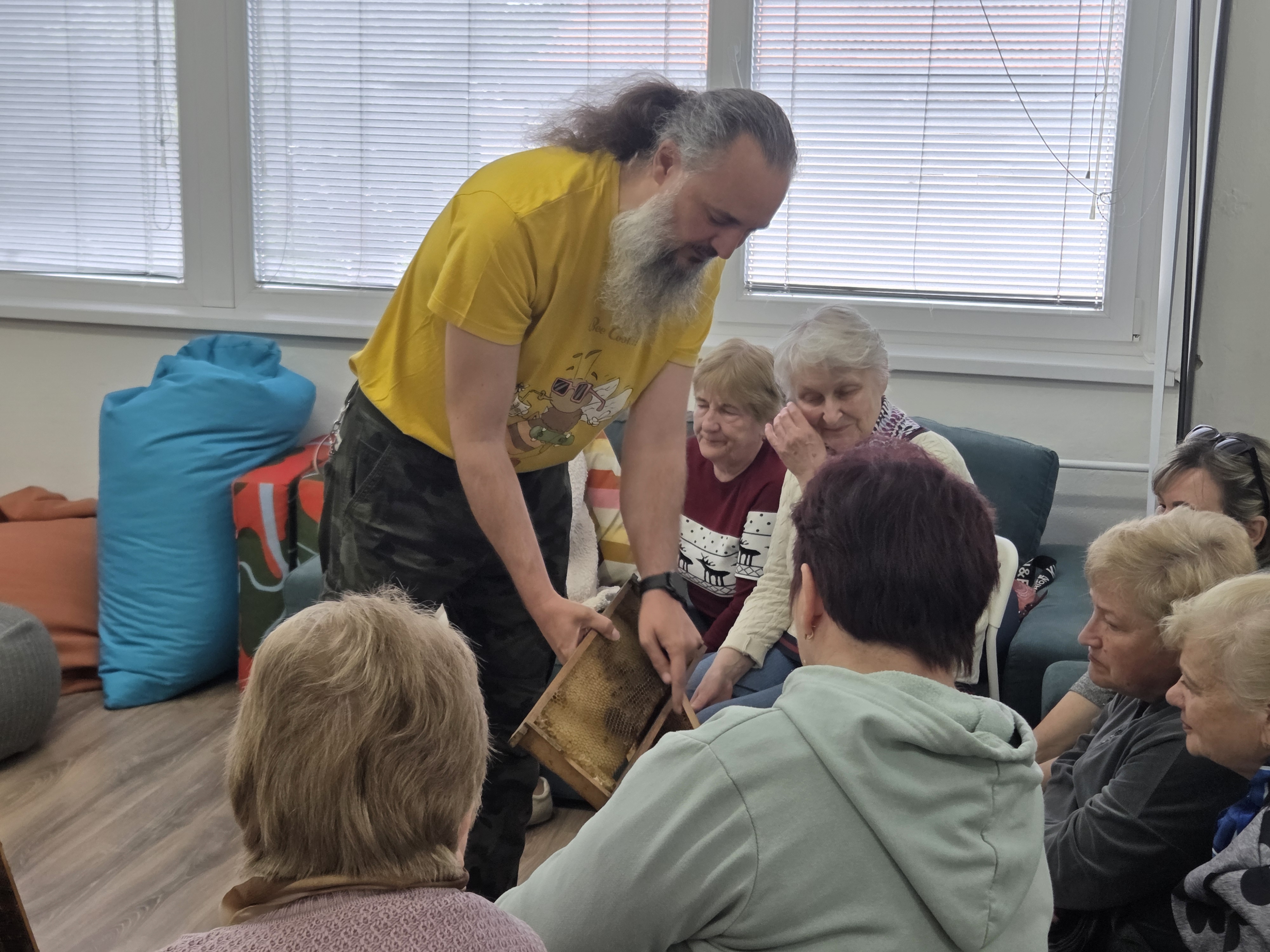
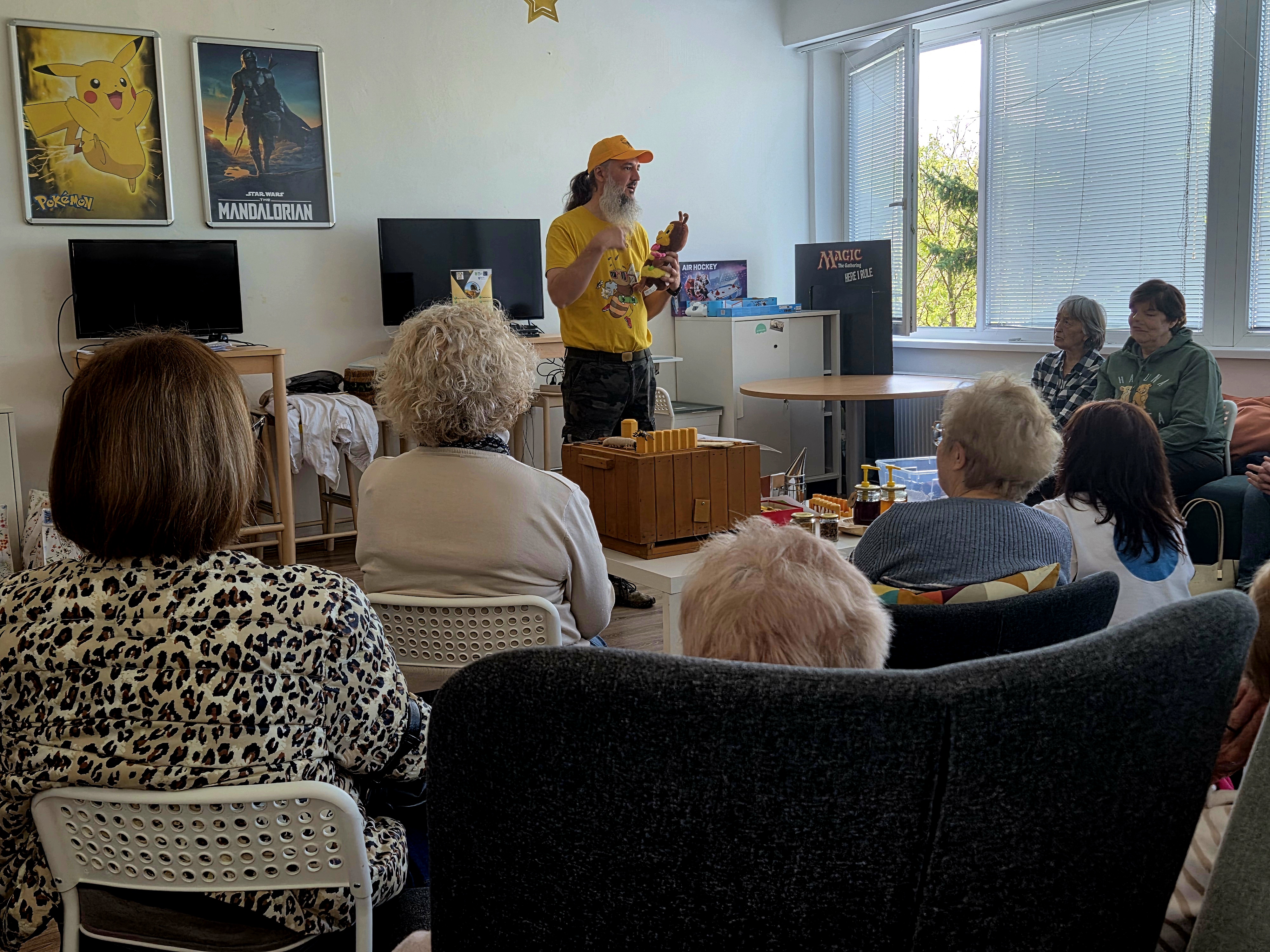
An important part of the programme consisted of practically oriented sessions devoted to beekeeping, the importance of pollinators for agriculture and biodiversity, and the practical use of bee products. Participants also had the opportunity to take part in demonstrations and tastings of bee products.
The training activities also had a strong social dimension. In addition to new knowledge and practical skills, they provided participants with space for meeting others, exchanging experiences, and becoming more actively involved in community life. For many participants, the activities represented a valuable opportunity to become more familiar with the local environment, establish new contacts, and participate more actively in social life.
We also highly appreciate the cooperation with COMIN, through which it was possible to reach the target group and ensure active participation. We are pleased that representatives of the organization also expressed interest in other educational and social activities organized at our Faculty.
Both training activities were evaluated very positively by participants, and the SBEES project has once again confirmed the importance of international cooperation and accessible education.